

State of the Lake
1.0 Intensively Managed Species
- Walleye
- Yellow Perch
- White Bass
- Lake Whitefish
- Sea Lamprey
Intensively managed species support economically important commercial fisheries and harvest-oriented sport fisheries. Invasive sea lamprey, which must be controlled to prevent negative impacts to fish stocks, is also considered an intensively managed species. Management decisions for these species are informed through monitoring programs and statistical models designed to estimate population size, safe harvest limits, or control objectives. In many cases, species-specific lake-wide management plans drive annual decision making. The goal of this style of management is long-term sustainability of economically important fish stocks.
- Black Bass
- Muskellunge
- Rainbow Trout
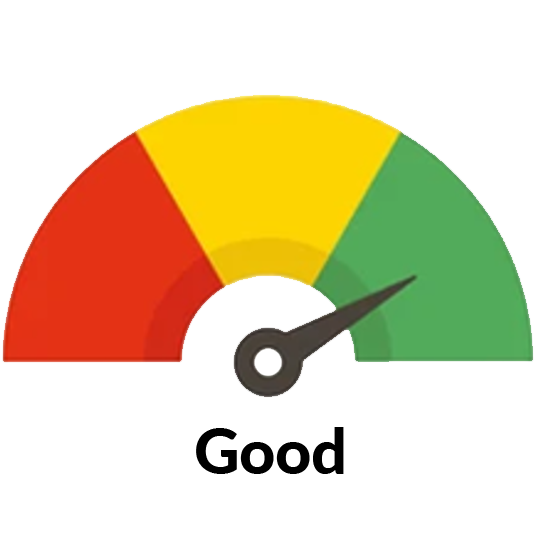
These species support economically important localized sport fisheries that are not commercially harvested. Lake-wide objectives drive the management of these species, with management decisions based on annual monitoring programs and agency-specific regulations such as seasons and bag limits.
- Lake Trout
- Lake Sturgeon
- Cisco
- Sauger
These species have potential ecological or fishery importance but were extirpated or exist at a small fraction of their former abundance. Restoration or preservation programs are in place for some species, with the goal of restoring naturally reproducing populations or protecting populations that still exist in the Lake Erie Basin.
Prey Fish
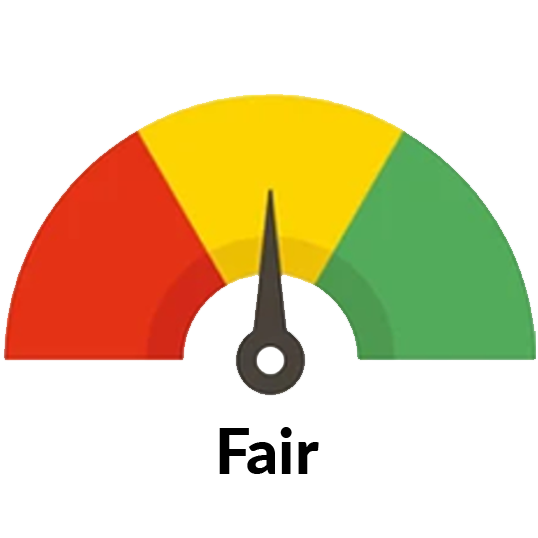
Prey fish include largely unfished and unmanaged populations that are necessary to support sustainable commercial and sport fisheries. Monitoring prey fish species composition and abundance along with predator growth and condition promotes a better understanding of predator-prey dynamics and fishery performance.
- Lower Trophic Levels
- Habitat
Environmental objectives encompass a range of abiotic factors, such as trends in productivity and status of critical fish habitat, that are necessary for the long-term sustainability of fisheries and fish populations.